What Every Injury Victim Should Know About a Truck Accident Injury Attorney in Morgantown, WV
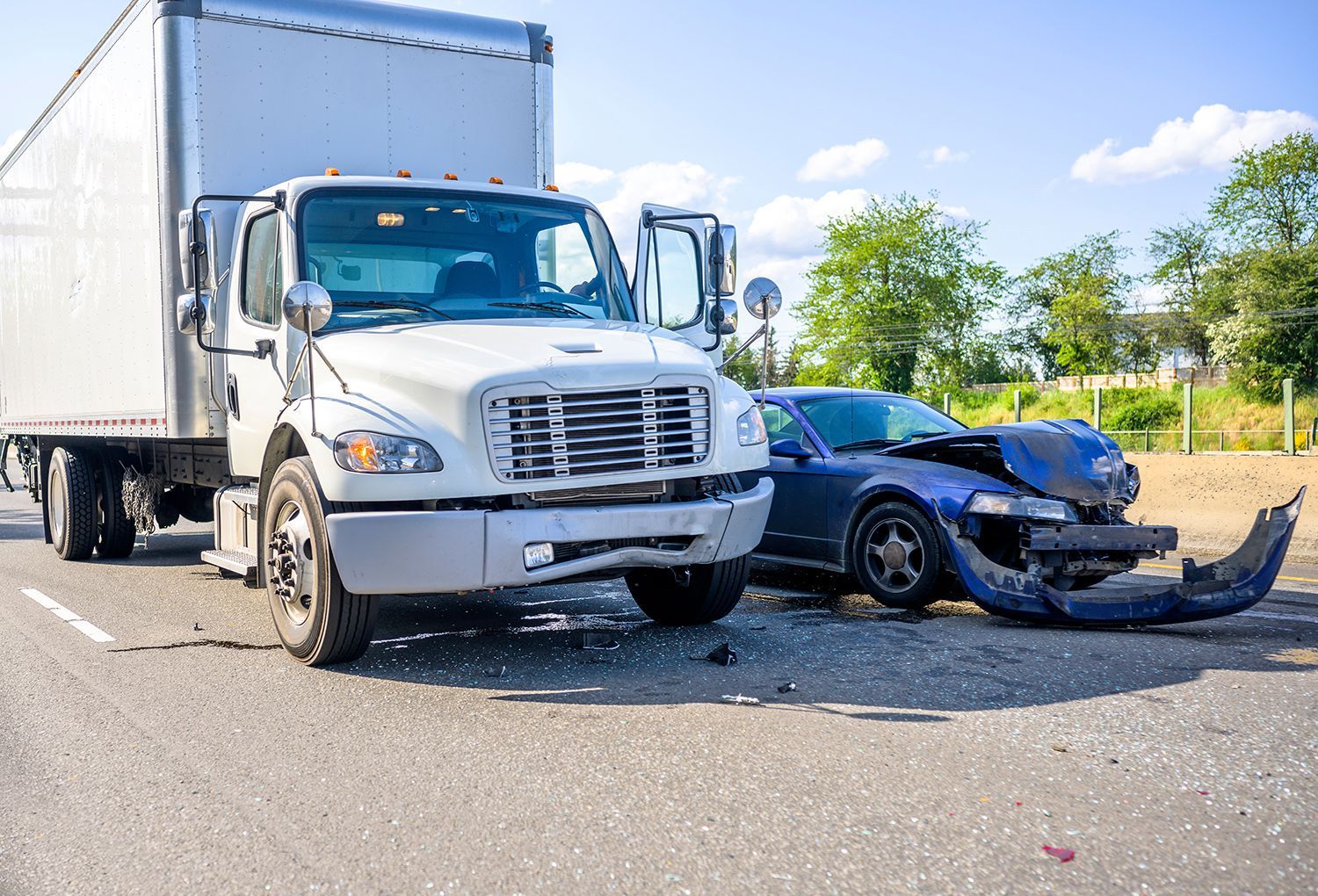
Truck accidents near Morgantown, WV, can cause devastating injuries, and understanding the federal and state rules governing commercial trucks may be the key to building a strong claim. This article explains how federal trucking regulations, West Virginia weight limits, electronic logging device requirements, and post-crash evidence can shape a truck accident injury attorney's approach to your case.
How Federal Trucking Regulations Shape Your Injury Claim
The Federal Motor Carrier Safety Regulations (FMCSRs), found at 49 CFR Parts 390 through 399, govern driver qualifications, hours of service, vehicle maintenance, drug testing, and cargo securement. When a carrier or driver violates those rules and a crash follows, those violations become powerful evidence. Working with a truck accident injury attorney early gives you the best chance of preserving that evidence before it disappears.
Hours of Service Rules
Under 49 CFR Part 395, property-carrying drivers may not drive more than 11 hours after 10 consecutive hours off duty, or beyond the 14th consecutive hour after coming on duty. A mandatory 30-minute break is required after 8 cumulative hours of driving, and weekly on-duty time is capped at 60 hours in 7 days or 70 hours in 8 days.
Driver Fatigue
A driver who exceeds these limits is a fatigued driver, and research suggests fatigue can impair a driver as much as alcohol. An HOS violation is not just a paperwork issue. It can be direct evidence of negligence by the driver and the company that dispatched them. A truck accident injury attorney can review HOS records and identify those violations quickly.
What Is the Role of Electronic Logging Devices in a Truck Accident Case?
Electronic logging devices (ELDs) automatically track HOS compliance, recording driving time, on-duty time, engine hours, and location data in real time. If a driver violated HOS rules, the ELD data can prove it, showing the driver was behind the wheel far longer than the law allows before the crash.
Acting quickly is critical because trucking companies may overwrite or discard electronic records without a proper legal hold demand. A truck accident injury attorney serving Morgantown, WV, can send that demand before records are lost.
Other Trucking Records Worth Preserving
ELD data is just one piece of the puzzle. After a serious crash, your attorney may also seek to preserve driver qualification files, drug and alcohol testing records, vehicle maintenance and inspection logs, prior FMCSA safety ratings, dispatch records and communications pressuring the driver, and dashcam and telematics data. Many of these records may be destroyed or overwritten within 30 to 90 days.
West Virginia Commercial Vehicle Weight Limits and Overweight Trucks
On interstate and designated highways, West Virginia's allowable gross vehicle weight is 80,000 pounds. On non-designated state roads, the limit drops to 65,000 pounds, subject to axle configurations. Overweight trucks require more distance to stop and place greater stress on tires, axles, and bridges. On roads like US-119, which passes through local neighborhoods and commercial zones, an overloaded truck can do serious damage.
West Virginia enforcement is handled by the State Police and the Public Service Commission Enforcement Division, with fixed weigh stations on I-79. A documented overweight violation close in time to a crash may support a negligence argument against the carrier.
How Regulatory Violations Help Establish Negligence
In West Virginia personal injury claims, violating a safety regulation can help establish that a driver or carrier failed to meet the standard of care, a concept sometimes called negligence per se. Breaking a rule designed to protect the public from harm can serve as evidence of negligence without requiring the injured person to prove every element independently.
Other Trucking Records Worth Preserving
FMCSR violations related to HOS, vehicle maintenance, driver qualifications, or cargo securement may each contribute to establishing negligence. When multiple violations appear across different regulatory categories, an experienced truck accident injury attorney serving Morgantown, WV, can weave that evidence into a coherent picture of carrier negligence.
Frequently Asked Questions
What Should I Do Immediately After a Truck Accident Near Morgantown, WV?
Seek medical attention first, get the driver's name, license, and employer information, and contact an attorney quickly so a spoliation letter can preserve evidence.
Who Can Be Held Liable in a Commercial Truck Accident?
Liability may fall on the driver, trucking company, cargo loader, or trailer owner. An attorney can investigate each party's role under West Virginia law.
How Long Do I Have to File a Truck Accident Injury Claim in West Virginia?
West Virginia generally allows two years from the date of injury to file suit. Missing this deadline can bar your right to recover compensation.
Talk to a Truck Accident Injury Attorney Serving Morgantown, WV
Higinbotham & Higinbotham, PLLC has been serving West Virginia injury victims since 1973 and handles truck and vehicle accident cases throughout the state, including Morgantown and Monongalia County. Our firm offers a free consultation so you can discuss your situation without financial pressure.
Learn more on our truck accident injury lawyer page, or
contact our firm to speak with an attorney today.